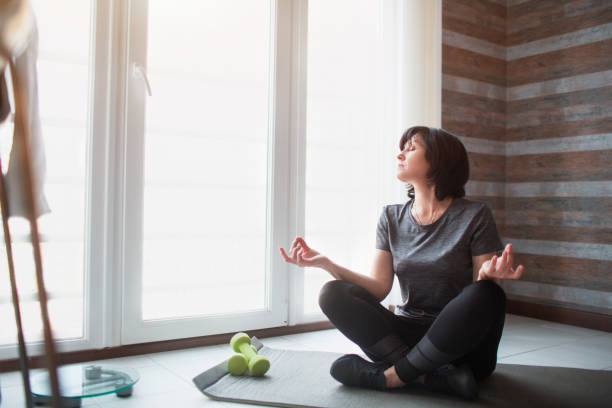

I used to think routines were for people who wake up at 5 a.m., drink green smoothies, and somehow enjoy it. I’m not that person. I hit snooze. Sometimes twice. Sometimes five times. Still, after a few years of trying to “just go with the flow,” I realized the flow was mostly chaos with a side of anxiety. So yeah, routines. Annoying word. But also… kind of saving me.
Balance sounds fancy, like something monks or Instagram influencers have. In real life, balance is way messier. It’s more like trying to carry groceries without the bag breaking. Not perfect, just manageable.
The Morning Thing That’s Not a Miracle
Everyone online talks about morning routines like they unlock secret levels of life. Cold showers, journaling, meditation, gratitude lists. I tried copying one once. Lasted three days. On day four I was angry at my notebook.
What actually helped was boring. Wake up around the same time. Not early-early, just consistent. Even weekends, sadly. The body likes predictability more than motivation. There’s a stat I read somewhere, probably on a half-reliable blog, saying irregular sleep schedules mess with your stress hormones more than sleeping a bit less. Felt true. When I stopped sleeping in till noon on Sunday, Mondays hurt less. Still hurt. Just less.
My “routine” is simple. Wake up, don’t touch my phone for ten minutes. Sometimes I fail. Okay often. But even trying makes mornings quieter. Balance doesn’t come from perfection, it comes from reducing friction.
Money Routines Are Weirdly Emotional
No one tells you how emotional money routines are. Budgeting sounds like math, but it feels like therapy you didn’t ask for. I avoided checking my bank app for months once. Not proud. It was like ignoring a weird noise in your car and hoping it goes away.
What helped wasn’t strict budgeting apps with charts everywhere. It was a weekly money check-in. Same day, same time. Coffee involved. I look at what came in, what went out, and try not to judge myself too hard. Online, people call this a “money date,” which sounds cringe, but whatever works.
There’s a lesser-known thing here. People who check their finances weekly tend to save more than those who do it daily. Daily checking increases stress and impulsive decisions. Weekly gives enough control without obsession. Balance, again, is about not overdoing it.
Movement Without Becoming a Fitness Person
I hate routines that make me feel like I need a new personality. Gym routines do that. Suddenly you’re talking about protein and rest days like a pro. That never stuck for me.
What stuck was walking. Seriously. A boring answer, I know. But walking after lunch or in the evening reset my brain more than intense workouts ever did. I read somewhere on social media, probably Twitter before it got weird, that a 20-minute walk can lower cortisol levels significantly. I don’t know the exact percentage, but I know I feel less like yelling at my laptop afterward.
The routine part is choosing a time. Not distance. Not steps. Time. Same slot every day if possible. The body likes patterns. The mind likes knowing relief is scheduled.
Digital Boundaries That Aren’t Extreme
Digital detoxes sound nice until you realize your job, friends, and sense of humor live on your phone. Balance isn’t deleting apps. It’s deciding when they get access to your brain.
One routine that changed things for me was no notifications except messages and calls. Everything else waits. At first, I thought I’d miss something important. Turns out most “urgent” things are just loud.
There’s also this niche stat floating around that the average person touches their phone over 2,500 times a day. Some studies say even more. That’s insane. No wonder our brains feel scrambled. Reducing that number even a little feels like mental decluttering.
Eating Routines Without Becoming Obsessive
Food routines can go wrong fast. Too strict and you’re miserable. Too loose and you’re ordering food at midnight again. Balance lives in the middle, which is annoying because the middle requires thinking.
For me, it’s repeating meals. Same breakfast most days. Same lunch rotation. Not because it’s optimal, but because it removes decision fatigue. Dinner stays flexible. Social life needs space.
There’s a quiet benefit here. Repetitive meals reduce impulsive spending. Less food waste too. Not exciting, but balance rarely is.
Tiny Night Routines That Calm the Brain
Evenings are where balance either shows up or completely disappears. Scrolling till your eyes hurt is easy. Switching off is not.
I don’t have a perfect wind-down routine. Some nights I still watch random videos till 1 a.m. But having a loose ritual helps. Dim lights. Same music playlist. Writing three messy sentences about the day. Not gratitude journaling, just brain dumping.
The point isn’t relaxation. It’s signaling to your nervous system that the day is ending. Humans used to have sunsets and fires for this. Now we have LED screens and anxiety.
Why Routines Feel Boring But Work Anyway
Routines get a bad reputation because they sound restrictive. But the right ones do the opposite. They create predictability so your brain can relax. Think of it like autopilot. You don’t think about breathing, and that’s a good thing.
Online, there’s a lot of chatter about “romanticizing your life.” Routines are the unsexy part of that. They’re the background structure that lets spontaneous moments actually feel good instead of stressful.
Balance isn’t about doing more. It’s about deciding once and repeating. Less thinking. Less chaos. More space to mess up without everything collapsing.
I still don’t have it figured out. Some weeks everything falls apart. But the routines I do have act like bumpers in a bowling lane. I still throw the ball badly, but at least it doesn’t end up in the gutter every time.