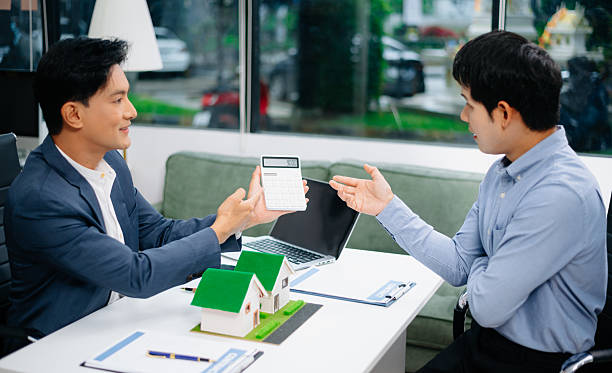

I’ve seen it happen so many times, and honestly, I almost did it myself once. You walk into a house and suddenly your brain just… stops working properly. The sunlight is coming through the kitchen window in that cinematic way, the wooden floors look like they belong on Pinterest, and you can already imagine your dog running in the backyard. Boom. Logic quietly leaves the room.
This is usually the moment where buyers start overpaying.
People like to believe they’re rational when it comes to money. We compare phone prices for three days before buying, but when it comes to a house worth maybe 20 or 30 years of savings? Suddenly it’s vibes and feelings. I’m not judging. I get it. A home feels personal. It’s not just bricks and cement, it’s “this could be my life.”
There’s actually behavioral finance studies that show buyers in competitive markets often bid 5 to 10 percent above what they originally planned, just because they don’t want to “lose.” It’s called loss aversion. Losing the house feels worse than paying extra. And real estate agents know this psychology very well, even if they don’t always say it out loud.
The Fear of Missing Out Is Real
If you’ve spent even five minutes on Instagram or watched a few “day in my new home” reels, you’ve probably felt it. Everyone seems to be upgrading. Bigger kitchens, nicer balconies, perfect neutral interiors that look suspiciously staged.
Social media kind of amplifies housing FOMO. In cities like Toronto or London, people literally line up to view properties. There are stories of homes getting 20 offers in a single weekend. When buyers hear that, something switches in their brain. It becomes a competition, not a financial decision.
I remember a friend of mine in Dubai who offered nearly 12 percent over the asking price just because two other couples were “very interested.” Later he admitted he didn’t even love the layout that much. But in that moment, it felt like now or never.
The truth is, urgency sells. Developers and sellers sometimes price slightly lower on purpose to spark bidding wars. Once multiple offers come in, buyers push each other higher. It’s kind of like an auction, except instead of a painting, you’re bidding on your future mortgage stress.
Low Interest Rates Make High Prices Feel Smaller
This one is sneaky. When interest rates are low, monthly payments look manageable. So buyers stretch their budget.
Instead of thinking, “This house costs 500,000,” they think, “Oh it’s just 2,300 per month.” Breaking big numbers into smaller monthly chunks makes it feel less scary. It’s like when you justify a gym membership because it’s “only” 40 a month, ignoring the yearly total.
Back in 2021, when rates were historically low in places like United States, home prices surged dramatically. Some regional markets saw price jumps of over 15 percent in a single year. People weren’t necessarily earning more, they just felt more comfortable borrowing more.
The problem is, rates change. And when they go up, suddenly that “manageable” payment isn’t so comfortable anymore. That’s when buyers realize maybe they overpaid.
Overconfidence and the ‘It Will Always Go Up’ Mindset
There’s this almost religious belief in real estate. Property always goes up. It’s safe. It’s solid. It’s better than renting. You hear this everywhere, from family dinners to finance influencers on YouTube.
But that belief sometimes makes buyers careless. They assume that even if they overpay today, future appreciation will fix it. And sometimes it does. But not always.
Look at markets like Hong Kong where property prices have had serious corrections in recent years. Or parts of Australia where prices dipped after rapid booms. Real estate can stall. It can fall. It’s not magic.
I used to think buying any property was automatically smart. Then I started reading more data. In some slower-growth areas, appreciation barely beats inflation over long periods. When you factor in maintenance, property tax, insurance, random repairs like a broken water heater at the worst possible time, the returns aren’t always glamorous.
But people don’t calculate all that in the heat of a bidding war.
Pressure From Agents, Family, and Society
No one wants to feel left behind. There’s social pressure too. In many cultures, owning a home is seen as a milestone of success. Renting sometimes unfairly carries this “not there yet” vibe.
Agents can also unintentionally (or intentionally) create urgency. Phrases like “This won’t last” or “There’s strong interest” might be true, but they also push buyers emotionally.
I once walked out of a viewing feeling calm and realistic. Ten minutes later, after a call with the agent saying “another offer just came in,” my heart rate was suddenly like I was running a marathon. It’s wild how fast emotions shift.
Sometimes buyers overpay simply because they’re tired. Tired of searching, tired of losing previous bids, tired of uncertainty. So when a decent house appears, they think, fine, let’s just win this one.
Bidding Wars Turn Rational Adults Into Auction Fans
There’s something about auctions that mess with human psychology. Studies show that in competitive bidding situations, people often pay more than an item’s objective value. It becomes about winning.
In hot markets like Sydney, open auctions are public events. Crowds gather. Hands go up. Prices climb in real time. It’s dramatic. It’s stressful. And once you’ve raised your paddle twice, you’re emotionally invested.
At that point, backing out feels like losing face. So you stretch. Just a bit more. Then a bit more again.
I’ve seen people who were extremely disciplined with stocks, tracking every percentage move, suddenly throw financial caution away in a 10-minute property bidding session. It’s kind of ironic.
So Why Do Buyers Overpay?
Honestly, it’s rarely because they’re bad with money. It’s usually because buying a home is emotional, social, competitive, and wrapped in long-term dreams. Mix that with low rates, media hype, FOMO, and the belief that property is always safe, and overpaying becomes… understandable.
Not smart always. But understandable.
Maybe the better question isn’t why buyers overpay. Maybe it’s why we expect them not to, when the whole system is designed to push emotions first and spreadsheets second.
And if I’m being fully honest, if I find a place with big windows, good coffee shops nearby, and that perfect quiet street vibe… I might forget half of what I just wrote.