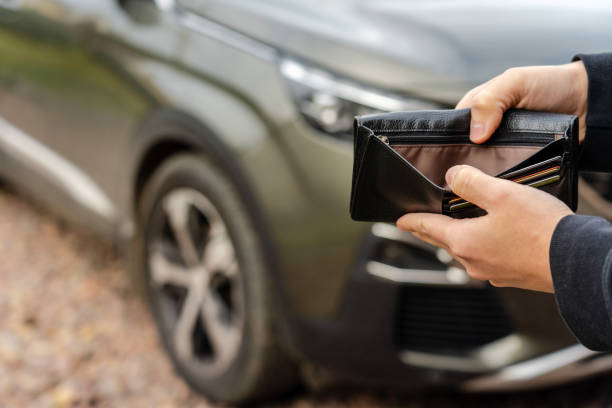

didn’t notice it at first. It never happens in one dramatic moment, like your engine exploding in a movie scene. It’s quieter than that. More sneaky. One small habit here, one lazy decision there, and suddenly your car feels less like freedom and more like a monthly subscription you never signed up for. I’ve owned cars long enough to know this pain personally. And yeah, I learned most of it the expensive way.
Ignoring small problems because “it still drives fine”
This one is basically a universal car-owner lie. The car makes a weird noise, maybe a faint squeak or a tiny clunk, but everything still moves forward, so we pretend it’s nothing. I once drove for almost three months with a warning light on, telling myself it was probably just a sensor. It wasn’t. It was a dying water pump, and by the time I fixed it, it took a few other parts with it like some dramatic soap opera.
Financially, this habit is like ignoring a small crack in your phone screen. It’s fine until one day it’s not, and then suddenly you’re paying triple. Mechanics love early fixes because they’re boring and cheap. Late fixes are exciting, and your wallet cries.
Skipping regular maintenance because life is busy
Oil changes are annoying. Tire rotations sound optional. Air filters feel like something made up by dealerships to sell you more stuff. At least that’s what I used to think. Turns out, basic maintenance is basically brushing your teeth for your car. Skip it long enough and things get ugly.
A lesser-known thing is that dirty air filters can actually lower fuel efficiency by a few percent. It doesn’t sound like much, but over a year, especially with today’s fuel prices, that’s real money just floating out of your exhaust pipe. People on car forums joke about this all the time, posting photos of filters that look like they survived a sandstorm.
Driving like every green light is a race
I’ll admit it. When I was younger, I loved fast starts. The sound, the feeling, the tiny ego boost at traffic lights. What no one tells you is how brutally expensive aggressive driving habits are. Hard acceleration, sudden braking, speeding just a bit too much. All of it eats fuel, tires, brakes, and patience.
There’s a stat floating around automotive Reddit that aggressive driving can reduce fuel economy by up to 30 percent in city driving. That’s not a small number. That’s like voluntarily paying more for gas just because you’re impatient. Smooth driving is boring, yes, but boring is cheap, and cheap is underrated.
Buying cheap parts and paying twice
This is a classic trap. You need brake pads or a battery, you see two options, one is cheaper, so obviously you pick that. I did this with a battery once. Saved some money upfront, felt smart for about six months, then the thing died during winter, on a Monday morning, of course.
Cheap parts aren’t always bad, but consistently choosing the lowest-quality option usually means replacing it sooner. Over time, you end up spending more than if you’d gone mid-range. It’s like buying shoes that fall apart after three months. At some point, your feet deserve better, and so does your car.
Letting tires suffer in silence
Tires are weird. You only think about them when something goes wrong, like a flat or that terrifying moment when the car slides a bit in the rain. Underinflated tires are one of the most common wallet-drainers out there. They wear faster, reduce fuel efficiency, and mess with handling.
According to some niche data from tire manufacturers, driving with low tire pressure can reduce tire lifespan by up to 25 percent. That’s a big deal when tires aren’t exactly cheap anymore. Checking pressure takes five minutes, but most of us still don’t do it regularly. Guilty.
Carrying unnecessary junk like you’re moving houses
At one point, my trunk had gym equipment, random tools, old bags, and stuff I didn’t recognize anymore. Extra weight equals extra fuel usage. It’s simple physics, but easy to ignore.
It’s not dramatic, but even an extra 50 to 100 kilos over time adds up. Especially for city driving. Think of it like walking around all day with a heavy backpack you don’t need. You’d get tired faster, and your car does too.
Chasing trends instead of real needs
Social media doesn’t help here. You see people upgrading wheels, adding modifications, changing perfectly fine interiors because it looks good on Instagram. I’m not against customizing cars, but doing it impulsively is dangerous for your bank account.
There’s always a new “must-have” accessory going viral. Ambient lighting, massive screens, fancy wraps. Half the time, the excitement fades quicker than the payment reminder. Online chatter makes it feel normal to spend constantly on cars, but normal doesn’t always mean smart.
Delaying selling a car you’ve emotionally outgrown
This one hurts a bit. Sometimes you keep a car longer than you should because of memories, pride, or just stubbornness. Meanwhile, repair costs creep up, resale value drops, and you keep saying, “One more year.”
Financially, there’s often a sweet spot where selling makes sense. Miss it, and you’re slowly bleeding money on a car that’s past its prime. I’ve done this once, and I still regret not selling earlier when it actually made sense.
Final thought that’s not really a conclusion
Cars don’t usually empty your wallet in one big dramatic way. They do it quietly, habit by habit, decision by decision. Most of it isn’t about being rich or cheap, just being a little more aware. I’m still learning, still messing up sometimes, but at least now I know where the money is leaking from. And that’s a start.