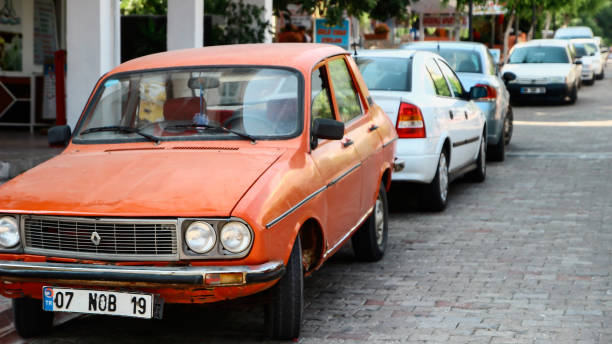

There’s this one car in my neighborhood, an old silver Toyota Corolla from I think 2008 or something, and it still looks… fine. Not shiny-new, but solid. Meanwhile my cousin bought a much fancier sedan around the same time, and that thing started rattling like a metal lunchbox after five years. It always made me wonder, why do some cars age like wine and others like milk left in the sun?
At first I used to think it’s just brand name. Like okay, buy German, buy Japanese, done. But it’s honestly more messy than that. Yes, brands like Toyota and Honda built a reputation for reliability over decades, and if you scroll through Reddit threads or car forums, you’ll see the same comments again and again. “My Civic ran 300,000 km and still going strong.” It almost feels like a flex culture. But even within the same brand, not every model ages the same. That’s where it gets interesting.
One big factor is engineering philosophy. Some manufacturers build cars slightly “over-engineered.” Meaning the parts are designed to handle more stress than they’ll usually face. It’s kind of like buying a backpack that can hold 20 kg even if you only carry 8 kg daily. It just survives longer because it’s not constantly at its limit. In the early 2000s, a few Japanese automakers were famous for this approach. They weren’t chasing crazy horsepower numbers or ultra-thin materials to save every gram. They built safe margins into their designs.
Then there’s complexity. Modern cars are basically computers on wheels. Touchscreens, sensors, turbochargers, driver assist systems, electric parking brakes. All cool. But more parts means more things that can break. I read somewhere that today’s average car has over 100 million lines of code. That’s insane. For comparison, a fighter jet has less than that. So when people say “older cars were built better,” sometimes what they actually mean is “older cars were simpler.” Less tech, less drama.
Maintenance plays a bigger role than most people admit though. And this part hurts because it’s boring. Oil changes on time, using decent quality parts, not ignoring that weird sound for six months. It’s like brushing teeth. Nobody gets excited about it, but skip it long enough and you’ll pay for it. Two identical cars can age totally different just because one owner treated it like a machine and the other treated it like an indestructible toy.
I’ve seen this personally. A friend of mine bought a used BMW 5 Series, beautiful car, drove amazing. But he stretched service intervals because “it’s still running fine.” Within three years, repair bills started stacking like dominoes. On the other side, my uncle with his boring Hyundai sedan services it like clockwork. That car refuses to die. It’s not sexy, but it’s loyal.
Climate matters too, and people underestimate that a lot. Cars in dry climates often age better than cars in places with heavy snow and road salt. Rust is like silent cancer for vehicles. Once it starts eating the chassis, there’s no real going back. That’s why you’ll see 20-year-old cars in Arizona looking almost new underneath, while the same model in northern Europe looks like it survived a war.
Another thing is how the car was designed at launch. Some models just have known weak points. You can literally Google certain engines and the first suggestion will be “engine failure” or “timing chain issue.” Social media makes this worse because once a problem gets viral, it sticks to the model forever. But sometimes the issue only affected a specific production batch or year. Still, reputation damage is done.
And speaking of reputation, resale value kind of tells you which cars age well financially. Cars like the Toyota Land Cruiser or certain Porsche models hold value insanely well. In some markets, used Land Cruisers barely drop in price. That’s not random. It reflects long-term durability and demand. It’s almost like real estate in a good location. Even if the paint fades a bit, people trust the foundation.
Depreciation itself is a weird game. Most cars lose around 50 percent of their value in the first five years. Some luxury cars lose even more, like 60 or 70 percent. That doesn’t always mean they’re bad cars. It often means they’re expensive to maintain long term, and buyers factor that in. It’s like dating someone who looks amazing but has high emotional maintenance. People get scared off.
Driving style also changes everything. Aggressive acceleration, hard braking, constant short trips where the engine never warms up properly. All that adds hidden wear. An engine that mostly sees highway cruising at stable speeds will usually last longer than one stuck in stop-and-go traffic daily. It’s like jogging versus sprinting all the time. One is sustainable, the other burns you out.
There’s also build quality in terms of materials. Some interiors age horribly. Cheap plastics fade, buttons peel, leather cracks. Meanwhile, I once sat in a 15-year-old Mercedes with real wood trim and it still felt premium. Materials matter. Even small details like how thick the paint is can affect how the car looks after ten years of sun exposure.
Interestingly, electric cars are changing this whole conversation. They have fewer moving parts in the drivetrain, no oil changes, no traditional transmission. In theory, that means less mechanical aging. But battery degradation becomes the new question mark. Most modern EV batteries are designed to last 8 to 15 years, and some studies show degradation rates of only about 2 percent per year under normal conditions. That’s actually better than people expected. Still, long-term data is evolving.
I think in the end, cars that age well are usually the boringly reliable ones. Not always the fastest or flashiest. They’re built with balanced engineering, maintained properly, driven reasonably, and maybe just a bit lucky too. Because yes, sometimes it is luck. Two engines from the same factory can live very different lives.
And maybe that’s why I kind of respect those old, humble cars still quietly running around. They’re not trying to impress anyone. They just keep showing up, every morning, starting without drama. Honestly, that’s more impressive than a shiny new model that spends half its life at the dealership.